Level Design Analysis
Introduction
Overall, This will cover various level design principles that level designers use when creating levels for games or the world they are trying to create. Also, This will be analysing a game to see how it has used various principles and how well it has implemented them. Throughout this analysis will be using various books and other media that focus on level design to help this analysis, and the game I will be looking at is Xenoblade 2.
Contrast In Height
The contrast in the height of a level can be used when designing a level. Many games do this because if the level were all the same height, it would look very flat in a 3D space and making some parts of the level higher or smaller can make the level more interesting to the player.
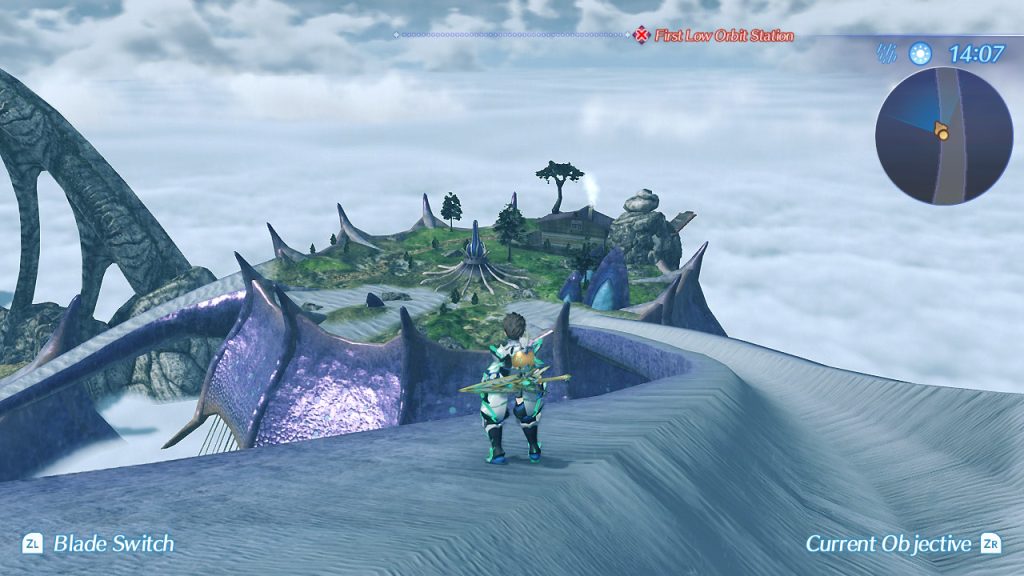
For example, In Xenoblade 2 does this exceptionally well because the game has a large open world. There are many areas that the player can explore, and there are many points in the game, which are vantage points that allow the player to see more of the world from a higher point. This allows the player to see where they can go in the world. These areas are typically mountains in many open-world games as in real life. They allow a person to see much more because they are high up.
Moreover, to get to these areas. The player must start from the bottom and work their way up to them. Also, the game has many areas where players start from the top and work their way down instead. Also, below there are some screenshots that I took that show this.
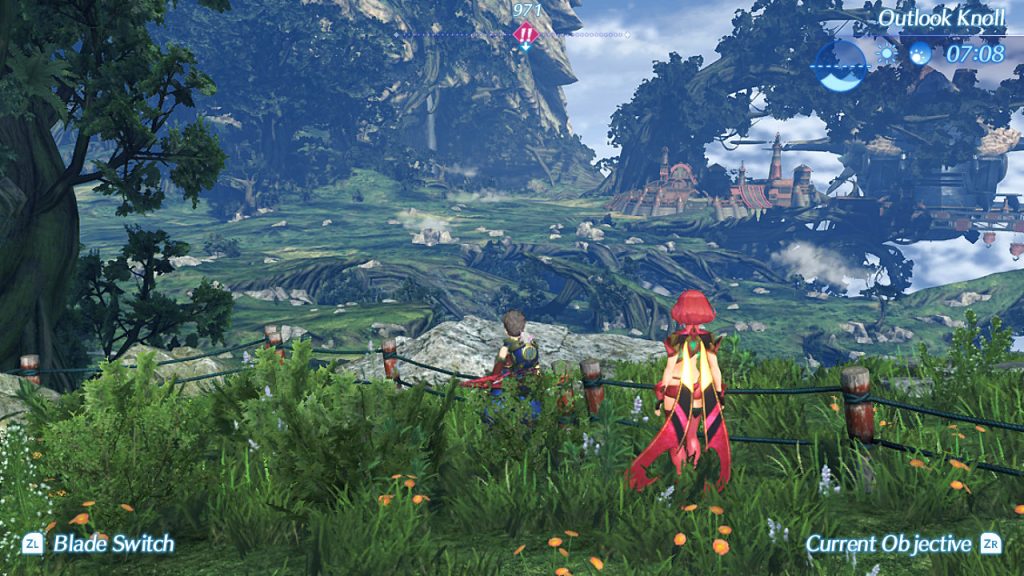
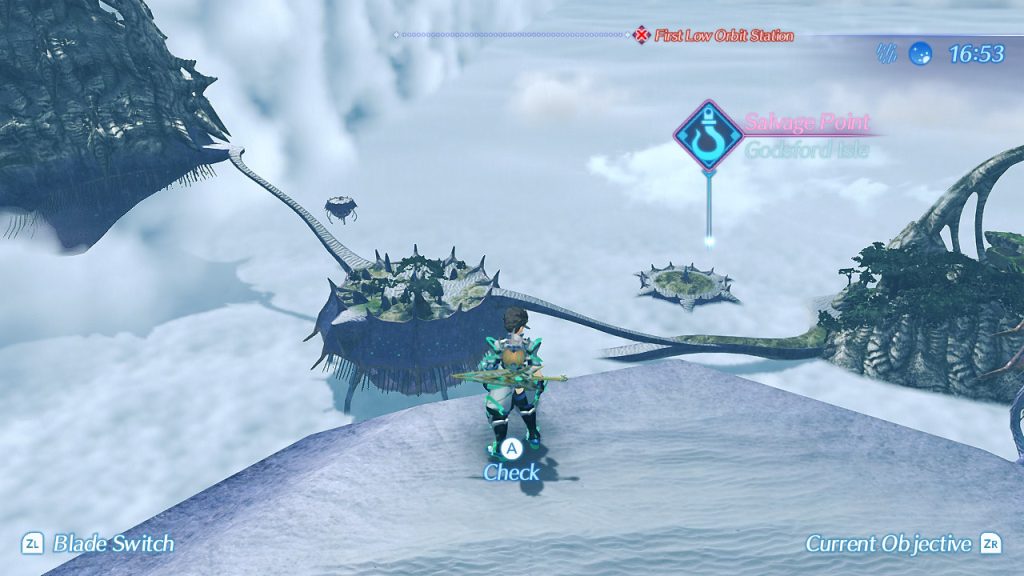
Max Pears on Twitter wrote a post discussing how vantage points can be helpful in level design. Moreover, it showed that they could be used to allow the player to see where they need to go and form a strategy based on this information to overcome any obstacles that might be in their way.
Contrast In Space
The contrast of space is used when designing a level for a game. This means that some areas in a game will be wide open or narrow, and games use these areas to add variety to the level. Hence, it is not all the same. Also, narrow areas can cause the player to feel on edge and uneasy due to being stuck in a small space. This depends on what the game itself is going for.
Furthermore, they do the opposite for a wide-open area, and games usually combine these two by the player starting in a smaller area and then going into a wide-open area later in the game. By doing this, it has a more significant impact. For example, Xenoblade 2 does this by that near the beginning of the game, before you can get to the first major area of the game that you can explore, there is a transition from a smaller area that you walk through then it reveals the large open space that you can explore.
They have done this to make the open world have an enormous impact on the player because their first impression is that the world will be small in scale. However, they reveal that the world itself is much larger than the player initially thought, and below, you can see screenshots that I took that show this.


Funnels
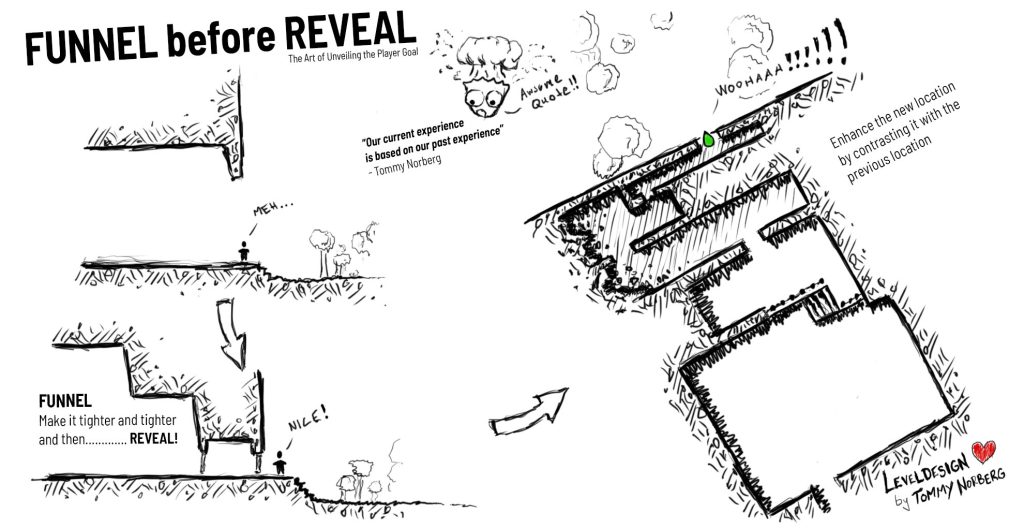
Here is a diagram by Tommy Norberg that looks at funnels and reveals, which are just other terms for narrow and wide areas. This diagram looks at how level designers should include narrow areas before a wide area as if they were all the same type of space. It would not be as exciting or surprising to the player as if they reveal a large wide-open area after a narrow one, and the player will be amazed.
Also, this diagram shows how the new area after the last one should contrast the previous area they were just in, as this can enhance the experience of the level. Also, it will amaze the player as it is the opposite of the last area, which can be done by changing the type of space used.
Contrast In Shape
The contrast in shape principle is where different shapes in level design, like most people, make them very boxy when they first create levels. Because of this, they use a lot of 90-degree angles in their level design. Also, another reason many level designers do this is because it is effortless to do as everything will snap into place as their all have the same shape using curves. It can get more complex and takes longer to fit with the rest of the level.
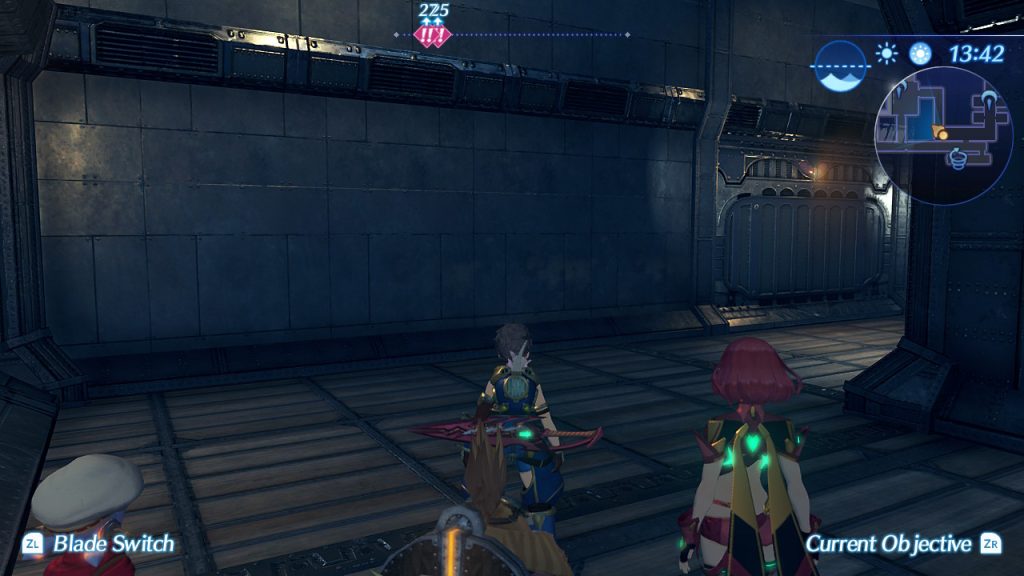
For the most part, Xenoblade 2 has used a lot of different angles throughout the world they have created. However, some areas are boxy in design. For example, there is a game section where the player has to enter a prison. Furthermore, this prison is mainly made up of many squares when it goes to turn. It uses a lot of 90-degree angles to do this. MY OWN SCREENSHOTS
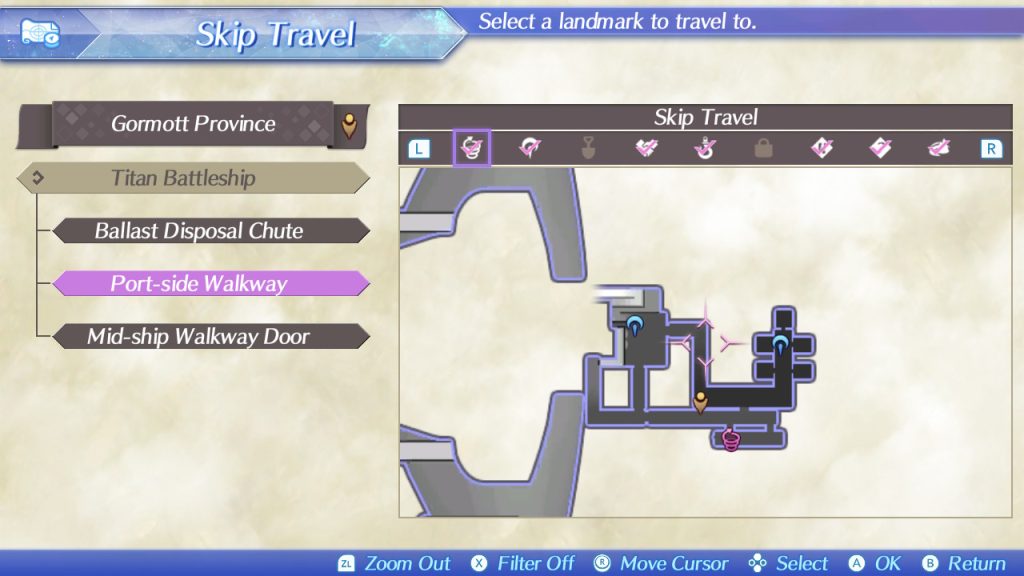
Because of this, it can be very dull due to it all being the same, and this can be fixed by adding some variety to the types of angles used in your level. For example, a lot of games, including Xenoblade 2 have used different angles in their level design like the level will curve at a particular point in the level, and by doing this, it makes the level more interesting to the player due to it is not all the same and not boxy in design. MY OWN SCREENSHOTS

Corners & Paths
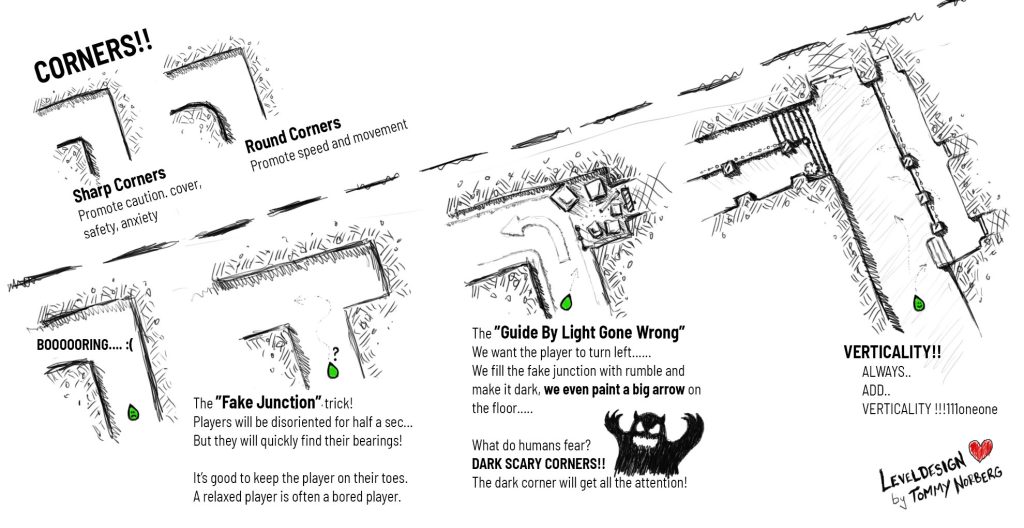
Here is a diagram demonstrating how level designers can use corners to make the experience more enjoyable. If the level designer wants the player to go in a particular direction, put something in the way blocking the other way so they can only go in the direction that game wants them to.
Also, this diagram shows the type of corners that level designers can use, which are sharp corners or curved corners and their uses of them. For example, curved corners can promote speed and movement, whereas sharp corners can be used for cover and make the player feel safe it demonstrates how regular corners are not interesting, so add stuff to them, such as changing the shape of the corner and the path, in general, they are walking on to make it feel more interesting to the player.
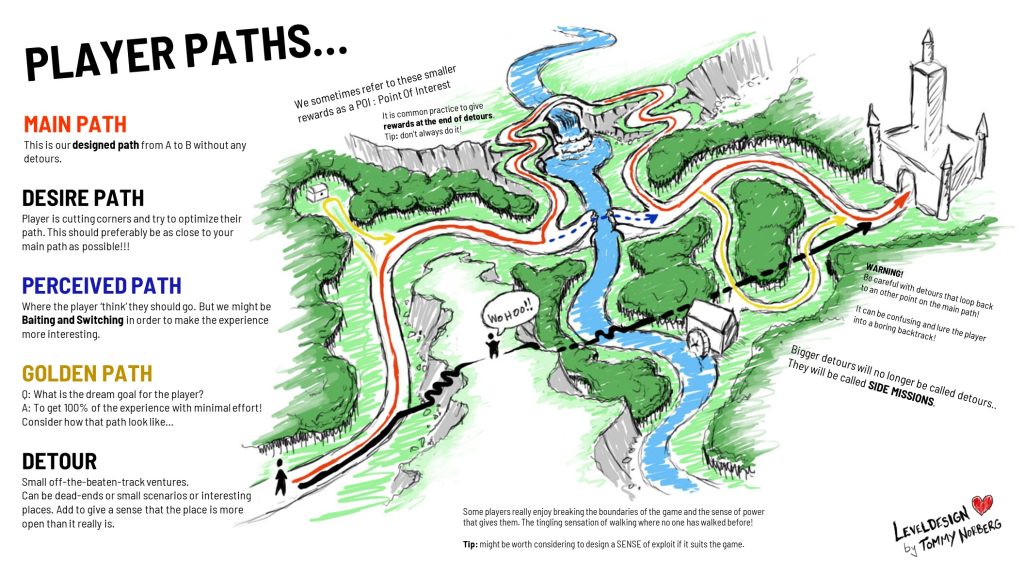
Here is a second diagram which shows that there can be multiple paths in a level to make the design of that level more engaging to the player. If they go along the main path, they can find many other things by going off the main path a little bit, and this will allow them to find stuff, such as a new area that might contain an item that might be useful to them etc.
Also, this diagram uses many curves and a lot of different shapes for all of these areas and paths. Moreover, this has been done to make the design of this potential level more interesting to the player as if it was just straight lines, which would be very boring to them.
Landmarks
Landmarks are areas or objects in a level designed to get the player’s attention, typically done by making them stand out visually. However, there are other ways that a level designer can bring attention to a landmark, such as using lighting, colour, shape etc to grab the player’s attention.
Some game designers do this to grab the player’s attention through the game world instead of just using UI to tell the player where to go. It can break the player’s immersion if there is too much UI on the screen, so using the world itself to tell the player where to go, there will be less UI on the screen. It makes the player feel like they did it themselves instead of the game telling them to go there.
Below is a diagram by Tommy Norberg, which shows how landmarks and focal points work in a level, and focal points are objects that can be only seen in that area where landmarks are viewable from the whole area, no matter where the player is in that level. Enemies themselves can be focal points as well as if they see one in a level, they will know they are heading in the right direction.
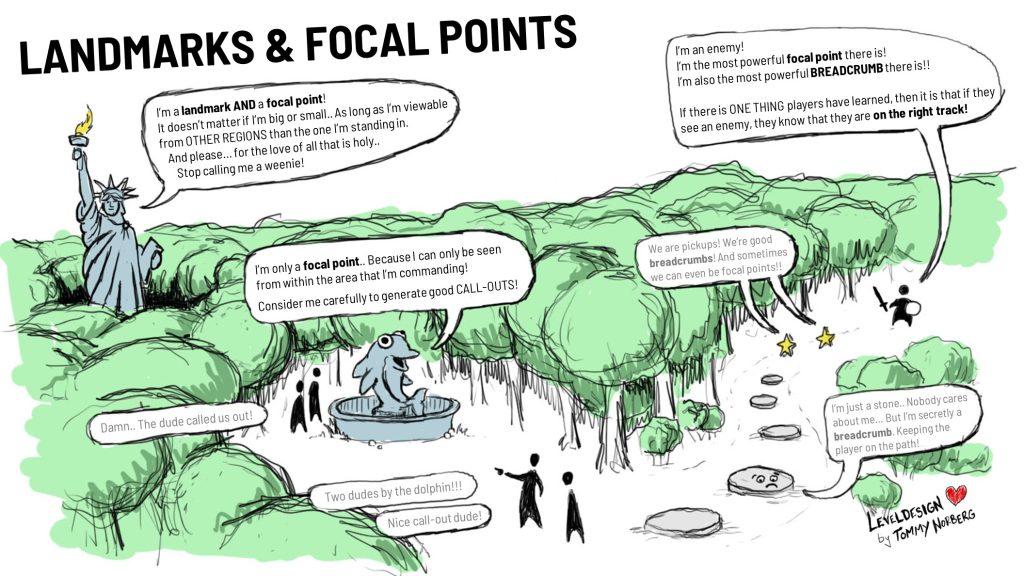
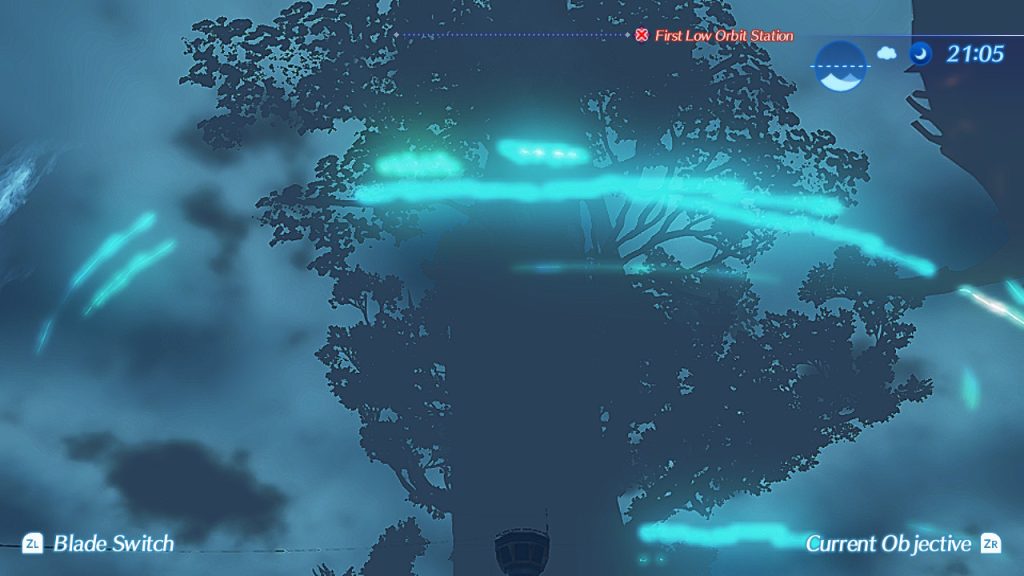
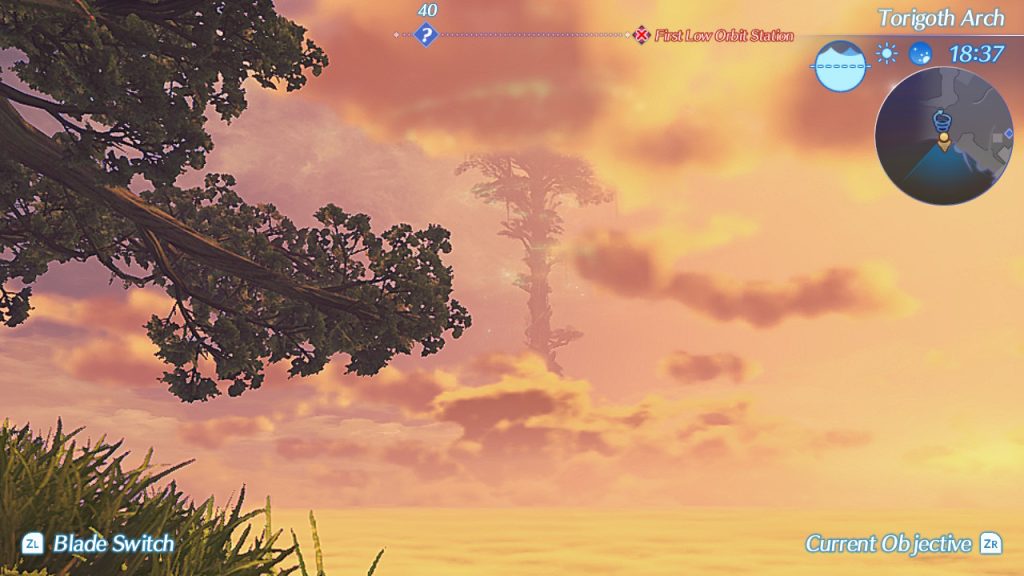
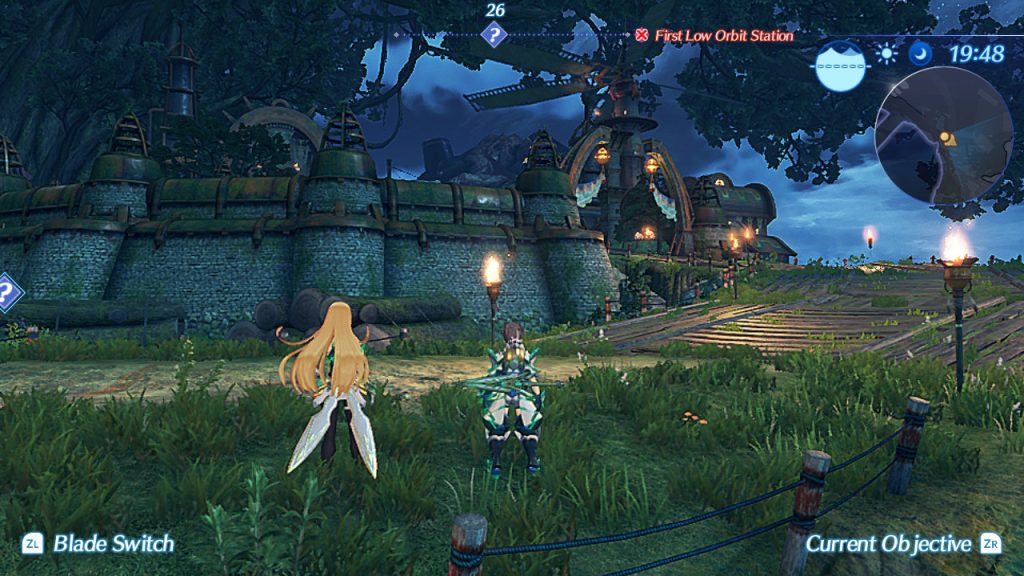
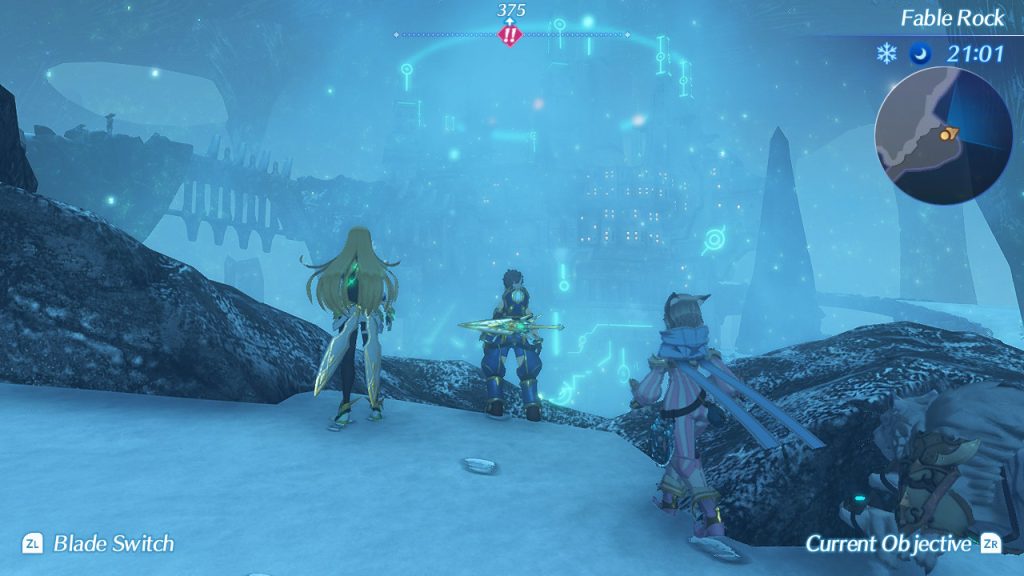
Xenoblade 2 has effectively used landmarks and focal points because, throughout the game, the main objective is to go to the world tree and throughout the world, the player can see it in the distance. As their get closer to it, they will be able to see more of it, and this is a good use of a landmark as it is a thing that can be seen throughout most of the game. Also, the game has a lot of focal points placed around the world as the player explores it, such as areas they can go to, which include towns which are stuff exclusive to that area in the game. MY OWN SCREENSHOTS
Interest Curves & Pacing
A game with good pacing is important, or all media, in general, need to because they need to keep a person interested throughout the whole experience. In a game case, they need to keep the player engaged and want to keep on playing to the end. Moreover, there is a structure to this, and it can be visualised through a graph. These are called interest curves which is a term from a book called the art of game design by Jesse Schell. In this book, they talk about this, and this is what they had to say regarding this “The guest comes into the experience with some interest; otherwise, they wouldn’t be there in the first place, and this initial interest comes from preconceived expectations about how this experience will be.” (2008:248)
After this, it will move onto a different stage to something called a hook, and this book explains this “This is something that grabs you and gets you excited about the rest of the experience.” The last stage of this structure is the climax, as the name suggests, is the climax of the game, and the game is over, and this should leave the player satisfied with the experience. (2008:248)
In summary, the player at the beginning will have initial expectations of the game, which can be influenced by the game’s packing or advertisements and many other factors. When the player plays the game, at some point, something will grab the player’s interest, and this can be the story or the gameplay. Moreover, they will want to keep on playing the game until the game and the game will end.
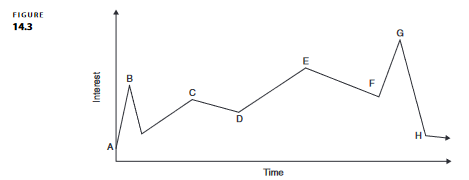
Xenoblade 2 has kept the player’s interest throughout the whole experience by that of the story at the beginning of the game. The story and pacing are slow, and they are introducing the characters and the world. Still, as the game goes on, it gets more intense and keeps the player interested because they will want to know what happens next in it and how it ends to keep the player interested in the story and the character, they use a lot of cut scenes to do this.
Also, another way they have kept the player’s interest in the game is that it gets more challenging as it goes on, which is done through boss fights at the beginning. The boss fights will be easy, but as the game goes on, they will get more complex, challenge the player’s knowledge of the game mechanics, and satisfy the player, as the game will not get too easy.
Conclusion
In Conclusion, Xenoblade 2 has shown that it has used a lot of game design principles and the ways they have been implemented into the game, such as the use of a variety of heights in the world and the contrast in the shapes used in the game etc. It shows that it’s important to use these elements to make a game more interesting and engaging to a player and in general, having variety in a game is important.